Essential Summer Upgrades for the Loading Dock
Summer brings long days and higher demand. It also brings heat, humidity, and new challenges for loading docks. Without the right setup, rising temperatures can slow operations, strain workers, and put products at risk.
A few smart upgrades can make a big difference. Improving airflow, sealing gaps, and controlling the dock environment helps facilities stay productive, protect workers, and reduce costly downtime.
Heat Matters More than You Think
Heat is not just uncomfortable. It directly impacts safety and performance.
According to the World Health Organization, worker productivity can drop by 2 to 3 percent for every degree increase above 20°C (68°F) in heat stress conditions. About 30 percent of workers in hot environments report reduced productivity.
Heat also increases the risk of illness. Millions of workers experience heat stress every year, leading to fatigue, dehydration, and even serious conditions like heat exhaustion or heat stroke.
Loading docks face added risk. Doors are open, trucks are idling. Hot air, humidity, and exhaust flow freely into the building. Workers move quickly and lift heavy loads, which raises body temperatures even more.
The result is slower work, more errors, and a higher chance of injury.
Best Practices for a Safer, Cooler Dock
Before adding new equipment, it is important to follow basic heat safety practices.
Start with airflow. Moving air helps the body cool itself through evaporation. Even simple fans can improve comfort when used correctly.
Next, support workers with hydration and rest. OSHA recommends frequent water breaks and access to cool areas for recovery.
It also helps to plan ahead. Schedule heavier work during cooler parts of the day when possible. Rotate tasks to reduce strain. Make sure new workers have time to adjust to hot conditions.
Finally, look at the dock itself. Gaps, worn seals, and open doors allow hot air, pests, and contaminants to enter. These issues make heat harder to control and can damage products and equipment.
Upgrade 1: Dock Seals and Shelters
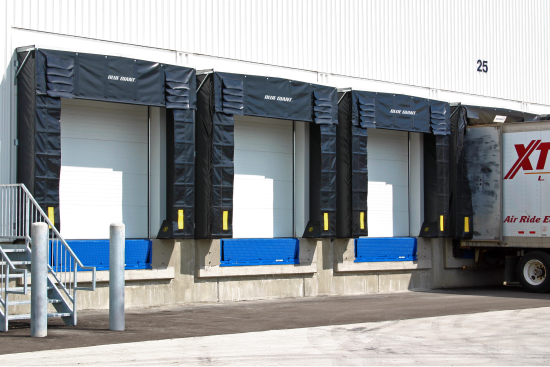
One of the most effective ways to control temperature at the dock is to create a tight seal between the building and the trailer. Dock seals and shelters help block outside air, sunlight, rain, and debris. This reduces heat gain and keeps indoor air temperatures more stable.
A well-sealed dock also protects products from temperature swings and contamination. It improves energy efficiency by reducing the load on HVAC systems. In the summer, this upgrade can have an immediate impact. Less hot air enters the building, and cooled air stays inside where it belongs, improving comfort and saving on energy costs.
Upgrade 2: HVLS Fans for Air Movement
High-volume, low-speed (HVLS) fans are designed to move large volumes of air using minimal energy. In the summer, they increase air velocity to create a cooling effect that helps workers feel more comfortable, even in high temperatures.
These fans are especially effective in large, open spaces where traditional fans cannot provide full coverage. By delivering consistent airflow across the entire facility, HVLS fans help reduce hot spots and maintain more even temperatures from floor to ceiling. Using AirFlow HVLS Fans increase the evaporative effect on skin and reduce the perceived temperature 10° to 15°F.
This improved air movement supports both comfort and productivity. When workers are cooler, they can stay focused and work more efficiently. This is important because studies show that heat stress can impair both physical and mental performance.
HVLS fans also offer long-term operational benefits. They help reduce condensation, corrosion, and mold by keeping air in motion. In many facilities, they can lower energy costs by up to 30 percent by improving air circulation in summer and reducing heat stratification in winter.
As a cost-effective alternative to air conditioning, HVLS fans can also help reduce overall HVAC demand, lowering building and operating costs. Operating for pennies an hour, they provide an energy-efficient solution, and in many cases, facilities see a return on investment in less than two years.
Upgrade 3: Air Curtains
Air curtains create a barrier of high-velocity air across open doors, helping separate indoor and outdoor environments without slowing traffic.
In the summer, air curtains reduce heat infiltration and improve comfort near the dock. They also help keep pests out, which protects products and supports sanitation. This upgrade is especially valuable for facilities handling food, pharmaceuticals, or sensitive materials.
Post-installation energy savings typically cover the purchase price of an air curtain within a year.
Upgrade 4: Bug Screen Doors for Open Doors
Warm weather brings more than just heat. It also brings insects. Bug screen doors provide a physical barrier that allows fresh air in while keeping pests out. They are a simple but effective solution for maintaining airflow without compromising cleanliness.
For facilities that rely on natural ventilation, screen doors offer a practical way to improve worker comfort while meeting safety requirements and quality standards.
Upgrade 5: Dock Fans
Dock areas can become some of the hottest zones in a facility during the summer, especially when workers need to enter trailers or containers that trap heat and limit airflow. Dock fans provide targeted, high-velocity airflow that helps cool these confined spaces, making them significantly more comfortable and safer for employees.
By improving air circulation at the dock door, these fans help reduce heat stress, support productivity, and create a more consistent working environment during peak temperatures. They are a practical and essential summer upgrade for facilities with frequent loading and unloading, particularly where workers spend time inside trailers that can quickly become overheated.
Upgrade 6: Seals
Small gaps at the loading dock can lead to big energy losses, especially during the summer. When conditioned air escapes and hot air enters, HVAC systems have to work harder to maintain indoor temperatures. This drives up energy costs and puts extra strain on equipment.
Energy-saving solutions are designed to close these gaps and create a tighter, more efficient dock environment.
Draft pads help seal the space between the Vertical Storing Dock Leveler and the pit. This is an area that is often overlooked but can allow a steady flow of outside air into the building. By blocking these openings, draft pads help maintain more consistent indoor temperatures.
Leveler seal wedges serve a similar purpose. They fill in gaps around the leveler, reducing airflow and preventing debris, moisture, and pests from entering. This not only improves energy efficiency but also helps protect equipment and keep the dock cleaner.
Roller curtains are designed for use with Hydraulic Levelers, helping to block airflow and prevent pests from infiltrating the pit area beneath the leveler while it is deployed. The roller curtain assembly also helps keep debris out, maintaining a cleaner and more sanitary pit environment.
Weather seals around dock leveler decks are also essential for blocking heat, humidity and contaminants. Over time, seals can wear down or become misaligned. Replacing or upgrading these seals helps maintain a tight building envelope and improves overall climate control.
Together, these solutions create a more sealed and controlled environment at the dock. This reduces the workload on HVAC systems, lowers energy consumption, and helps keep operating costs in check.
The impact goes beyond energy savings. A tighter dock also supports worker comfort, protects inventory from temperature swings, reduces the risk of moisture-related damage, and helps prevent pests from infiltrating the building and contaminating products — especially in food storage and distribution environments.
The Business Impact
Investing in summer dock upgrades is not just about comfort. It is about performance. When workers are cooler, they stay focused, work more efficiently, and operate more safely. This leads to fewer errors, fewer injuries, and more consistent output.
Improving the dock environment also protects products and inventory, reducing damage risk and costs.
With the right combination of best practices and targeted upgrades, facilities can maintain a safer, more efficient operation all season long while protecting their bottom line.