Training and Education for Loading Dock Personnel: Ensuring Proper Load Handling
Loading dock positions are fast-paced environments where drivers, warehouse teams, and heavy machinery meet every day. Even the strongest dock equipment relies heavily on the people operating it. Building a strong culture of safety and training turns standard daily tasks into reliable habits that protect employees and keep operations running smoothly.
Good loading dock operational training can help operators handle equipment correctly, reduce unnecessary stress on dock equipment, and support a safer work environment. Simple habits, such as controlling forklift speed and following the correct path across a dock leveler, can make a difference over time.
Whether you are a facility manager training a new shift, an approved Dealer advising a client, or an architect designing a functional workspace, focusing on operator habits creates a safer and more productive loading dock. Here is how simple, repeatable behaviors transform daily dock operations.
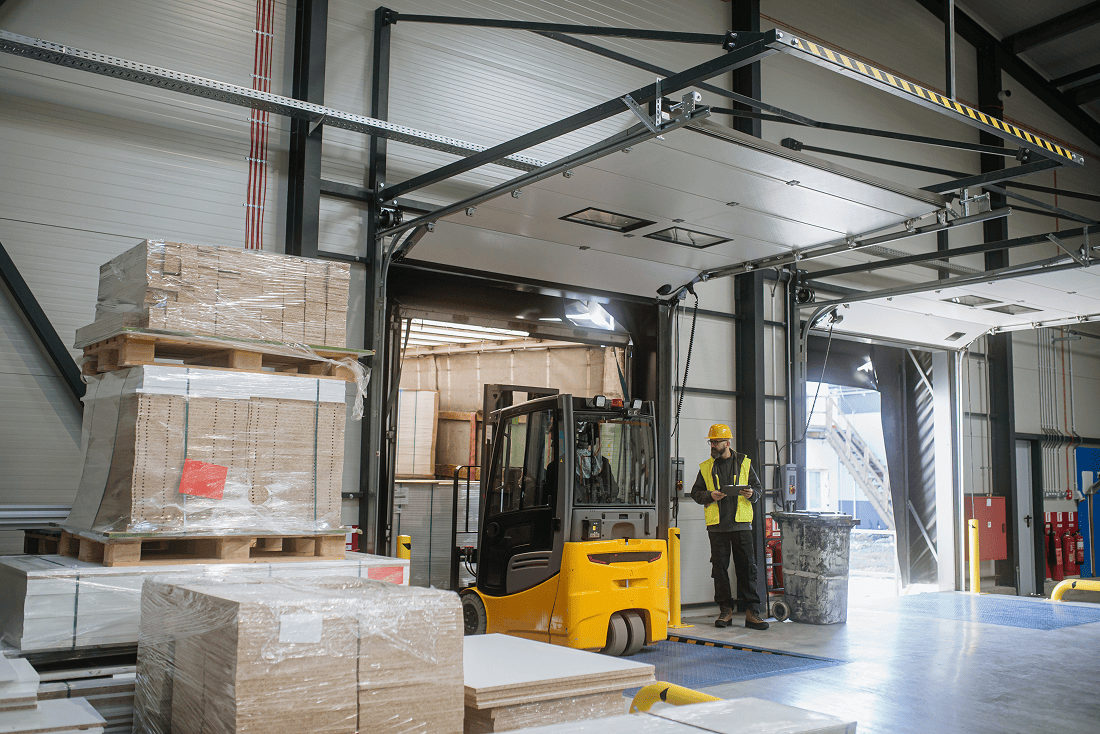
Start With the Right Dock Procedures
Every facility should have clear procedures for loading and unloading operations. Operators should understand how the dock leveler works, where to drive, and how to approach the trailer.
Training should cover basic steps such as:
- Inspecting the dock area before use
- Following the facility’s dock safety procedures
- Making sure the trailer is properly secured
- Using the dock leveler as intended
- Entering and exiting the leveler in the correct direction
- Maintaining a controlled speed
- Avoiding sudden acceleration and hard braking
These steps may seem simple and obvious, but they help create consistent operating habits across shifts and between operators.
Teach Operators the Correct Travel Path
Forklift operators should enter the dock leveler from the rear and travel straight toward the front and into the trailer. Operators should not drive off the side of the leveler, as driving onto a ramp at an angle pushes weight unevenly onto one side of the leveler frame, causing irregular wear over time.
Clear visual cues can make this easier. Facilities can use high-visibility painted curb angles, safety brushes, or other markings to help define the intended travel path. The goal is to make the correct path easy to see and easy to follow.
These visual guides are especially useful in busy facilities where operators work quickly or change between different dock positions.
Control Speed and Avoid Sudden Stops
Forklift speed is another important part of proper dock leveler operation. Forklifts should travel across a dock leveler at a slow, controlled, and steady pace.
Operators should slow down before entering the leveler and maintain a controlled speed while crossing it. There is a considerable difference between vehicles traveling at 4 mph or less and those traveling over 4 mph.
Operators should also avoid hard acceleration or braking on the leveler deck. Sudden acceleration or hard braking directly on top of the leveler ramp can increase dynamic forces on the steel structure and create a rougher ride for the operator. Sudden braking can also contribute to trailer movement, creating additional safety concerns.
Training should focus on smooth, controlled movements rather than simply telling operators to “go slower.” Operators should understand why speed and braking matter.
Prepare Air-Ride Trailers Before Loading
Trailer setup is another area that should be included in dock personnel training. Many trailers use air suspension. When the air suspension remains inflated during loading and unloading, the trailer can move or bounce as a forklift enters and exits.
This bouncing motion creates additional vertical and horizontal forces, increasing the stresses put on the dock leveler and its components. It also creates a jarring ride for forklift drivers, which can cause back fatigue over time.
One solution is to dump the trailer air before deploying the dock leveler on trailers equipped with air suspension. Including this step in the facility’s loading procedure can help provide a more stable loading environment.
Training should make sure operators understand not only what to do, but why the step matters.
Make Training Part of the Process
Dock safety training should not be limited to an employee’s first day. Refresher training can help reinforce proper habits and give supervisors an opportunity to address unsafe practices. It can also be useful when a facility changes its forklifts, attachments, trailers, traffic patterns, or operating volume.
A good training program should clearly explain:
- Who: Make sure everyone who operates or works around the dock understands their responsibilities.
- What: Cover the proper use of the leveler, restraints, trailer, and other dock equipment.
- How: Demonstrate the correct travel path, speed, and loading procedures.
- Why: Explain how operating habits affect equipment performance, safety, and service life.
This approach helps turn written procedures into everyday practices.
Additional Common Loading Dock Safety Procedures
Beyond driving habits, daily loading dock safety procedures should include a quick visual inspection before every shift. Operators should make sure the leveler lip rests firmly on the trailer bed, check that vehicle restraints are fully engaged, keep the ramp clear of debris, and maintain clear communication with truck drivers before loading begins.
These checks can help identify potential problems before loading and unloading begins.
How Proper Training Extends Dock Leveler Life
Equipment is engineered to handle constant daily traffic, but improper habits cause avoidable wear and tear. So, how can proper training extend dock leveler life?
When operators practice smooth speed control, center their entries, and stabilize trailers before driving across, they eliminate harsh, unnecessary impacts. Protecting the equipment from these extra forces can help extend dock leveler service life, reduce maintenance needs, and minimize unexpected downtime.
Good operational habits can also help create a safer and more consistent working environment for dock personnel.
Training Starts With Proper Equipment Selection
Good operating practices cannot make an incorrectly specified dock leveler suitable for an application.
The equipment must first be selected based on the conditions it will actually face. This includes the forklift weight, maximum load, attachments, forklift configuration, vehicle speed, trailer traffic, and number of shifts.
To support safer dock environments, the industry is shifting away from static numbers, such as the Comparative Industry Rating (CIR), toward Live Load ratings. Live Load ratings provide a clearer way to evaluate the moving loads a leveler is designed to handle under real-world operating conditions.
The Blue Giant Load Capacity Calculator helps Dealers and architects evaluate an application and determine the appropriate load class and capacity requirements.
Once the right equipment is selected, proper training helps ensure that it is used as intended.
Build a Safer Dock Today
Loading dock safety is not the responsibility of one person. It requires coordination between facility managers, forklift operators, maintenance teams, equipment suppliers, dealers, and other people involved in dock operations.
The best training programs focus on simple actions that can be repeated every day: prepare the trailer, use the correct travel path, control speed, avoid sudden movements, and follow established dock procedures.
When proper equipment selection and proper training work together, facilities can better protect their people and equipment while supporting reliable day-to-day operations.
Ready to support your customers with the right equipment? Registered Blue Giant Dealers and architects can log in to the Dealer portal to use the Load Capacity Calculator to match facility needs with correctly rated levelers.